

-
1 current duration
Космонавтика: продолжительность импульса -
2 discharge current duration
Универсальный англо-русский словарь > discharge current duration
-
3 discharge current duration
English-Russian dictionary of mechanical engineering and automation > discharge current duration
-
4 duration
в соч.- discharge current duration
- duration of impact
- generalized duration
- generalized pulse duration
- life duration
- measuring run duration
- melt duration
- pulse duration
- rest duration
- signal duration
- time durationEnglish-Russian dictionary of mechanical engineering and automation > duration
-
5 current-carrying capacity
(длительный) допустимый ток
Максимальное значение электрического тока, который может протекать длительно по проводнику, устройству или аппарату при определенных условиях без превышения определенного значения их температуры в установившемся режиме
[ ГОСТ Р МЭК 60050-826-2009]
Этот ток обозначают IZ
[ ГОСТ Р 50571. 1-2009 ( МЭК 60364-1: 2005)]EN
(continuous) current-carrying capacity
ampacity (US)
maximum value of electric current which can be carried continuously by a conductor, a device or an apparatus, under specified conditions without its steady-state temperature exceeding a specified value
[IEV number 826-11-13]
ampacity
The current in amperes that a conductor can carry continuously under the conditions of use without exceeding its temperature rating.
[National Electrical Cod]FR
courant (permanent) admissible, m
valeur maximale du courant électrique qui peut parcourir en permanence, un conducteur, un dispositif ou un appareil, sans que sa température de régime permanent, dans des conditions données, soit supérieure à la valeur spécifiée
[IEV number 826-11-13]Ampacity, the term is defined as the maximum amount of current a cable can carry before sustaining immediate or progressive deterioration. Also described as current rating or current-carrying capacity, is the RMS electric current which a device can continuously carry while remaining within its temperature rating. The ampacity of a cable depends on:
- its insulation temperature rating;
- conductor electrical properties for current;
- frequency, in the case of alternating currents;
- ability to dissipate heat, which depends on cable geometry and its surroundings;
- ambient temperature.
Electric wires have some resistance, and electric current flowing through them causes voltage drop and power dissipation, which heats the cable. Copper or aluminum can conduct a large amount of current before melting, but long before the conductors melt, their insulation would be damaged by the heat.
The ampacity for a power cable is thus based on physical and electrical properties of the material & construction of the conductor and of its insulation, ambient temperature, and environmental conditions adjacent to the cable. Having a large overall surface area may dissipate heat well if the environment can absorb the heat.
In a long run of cable, different conditions govern, and installation regulations normally specify that the most severe condition along the run governs the cable's rating. Cables run in wet or oily locations may carry a lower temperature rating than in a dry installation. Derating is necessary for multiple circuits in close proximity. When multiple cables are near, each contributes heat to the others and diminishes the amount of cooling air that can flow past the individual cables. The overall ampacity of the insulated conductors in a bundle of more than 3 must be derated, whether in a raceway or cable. Usually the de-rating factor is tabulated in a nation's wiring regulations.
Depending on the type of insulating material, common maximum allowable temperatures at the surface of the conductor are 60, 75 and 90 degrees Celsius, often with an ambient air temperature of 30°C. In the U.S., 105°C is allowed with ambient of 40°C, for larger power cables, especially those operating at more than 2 kV. Likewise, specific insulations are rated 150, 200 or 250°C.
The allowed current in cables generally needs to be decreased (derated) when the cable is covered with fireproofing material.
For example, the United States National Electric Code, Table 310-16, specifies that up to three 8 AWG copper wires having a common insulating material (THWN) in a raceway, cable, or direct burial has an ampacity of 50 A when the ambient air is 30°C, the conductor surface temperature allowed to be 75°C. A single insulated conductor in air has 70 A rating.
Ampacity rating is normally for continuous current, and short periods of overcurrent occur without harm in most cabling systems. The acceptable magnitude and duration of overcurrent is a more complex topic than ampacity.
When designing an electrical system, one will normally need to know the current rating for the following:- Wires
- Printed Circuit Board traces, where included
- Fuses
- Circuit breakers
- All or nearly all components used
Some devices are limited by power rating, and when this power rating occurs below their current limit, it is not necessary to know the current limit to design a system. A common example of this is lightbulb holders.
[http://en.wikipedia.org/wiki/Ampacity]
Тематики
- электротехника, основные понятия
Синонимы
EN
DE
- Dauerstrombelastbarkeit, f
- Strombelastbarkeit, f
FR
- courant admissible, m
- courant permanent admissible, m
предельно допустимый ток
—
[Я.Н.Лугинский, М.С.Фези-Жилинская, Ю.С.Кабиров. Англо-русский словарь по электротехнике и электроэнергетике, Москва, 1999 г.]Тематики
- электротехника, основные понятия
EN
прочность печатной платы к токовой нагрузке
Свойство печатной платы сохранять электрические и механические характеристики после воздействия максимально допустимой токовой нагрузки на печатный проводник или металлизированное отверстие печатной платы.
[ ГОСТ Р 53386-2009]Тематики
EN
Англо-русский словарь нормативно-технической терминологии > current-carrying capacity
-
6 duration of long stroke current
3.16 время длительного удара молнии (duration of long stroke current); TLONG: Продолжительность времени, в течение которого сила тока длительного удара молнии составляет более 10 % пикового значения тока молнии (см. рисунок А.2).
Источник: ГОСТ Р МЭК 62305-1-2010: Менеджмент риска. Защита от молнии. Часть 1. Общие принципы оригинал документа
Англо-русский словарь нормативно-технической терминологии > duration of long stroke current
-
7 conduction current
ток проводимости
Явление направленного движения свободных носителей электрического заряда в веществе или в пустоте, количественно характеризуемое скалярной величиной, равной производной по времени от электрического заряда, переносимого свободными носителями заряда сквозь рассматриваемую поверхность.
[ ГОСТ Р 52002-2003]EN
(electric) current
(conduction) current
scalar quantity equal to the flux of the electric current density J through a given directed surface S:
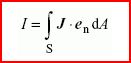
where endA is the vector surface element
NOTE 1 – The electric current through a surface is equal to the limit of the quotient of the electric charge transferred through that surface during a time interval by the duration of this interval when this duration tends to zero.
NOTE 2 – For charge carriers confined to a surface, the electric current is defined through a curve of this surface (see the note to term “lineic electric current”).
[IEV number 121-11-13]FR
courant (électrique), m
courant (de conduction), m
grandeur scalaire égale au flux de la densité de courant électrique J à travers une surface orientée donnée S:
où endA est l'élément vectoriel de surface
NOTE 1 – Le courant électrique à travers une surface est égal à la limite du quotient de la charge électrique traversant cette surface pendant un intervalle de temps par la durée de cet intervalle lorsque cette durée tend vers zéro.
NOTE 2 – Pour des porteurs de charge confinés sur une surface, le courant électrique est défini à travers une courbe de cette surface (voir la note au terme "densité linéique de courant").
[IEV number 121-11-13]Тематики
- электротехника, основные понятия
Синонимы
EN
DE
- (elektrische) Stromstärke
- Leitungsstromstärke
- Stromstärke, (elektrische)
FR
Англо-русский словарь нормативно-технической терминологии > conduction current
-
8 long duration current impulse
импульс тока большой длительности (прямоугольный импульс)
Прямоугольный импульс, который быстро возрастает до максимального значения, остается практически постоянным в течение некоторого периода времени, а затем быстро падает до нуля. Параметрами, определяющими прямоугольный импульс, являются полярность, максимальное (амплитудное) значение и длительность.
[ ГОСТ Р 52725-2007]Класс разряда линии по МЭК 60099-4 определяет устойчивость варисторов ОПН к воздействию прямоугольного импульса (импульса разряда линии или импульса большой длительности).
Как правило используется импульс длительностью 2 мс. Чем выше класс разряда линии, тем больше выдерживаемая амплитуда тока и, соответственно больше энергия, которую способны выдержать варисторы ограничителя.
В соответствии с МЭК имеем 5 классов (групп) разряда линии: 1, 2, 3 для номинального разрядного тока 10 кА и 4, 5 для номинального разрядного тока 20 кА. Значения амлитуды тока и энергии приводятся в сопроводительных документах производителя.
По определению МЭК: импульс тока большой длительности (long duration current impulse): Прямоугольный импульс, который быстро возрастает до максимального значения, остается практически постоянным в течение нормированного периода времени, а затем быстро падает до нуля. Параметрами, определяющими прямоугольный импульс, являются полярность, амплитудное значение, условная длительность амплитудного значения и условная полная длительность. При испытании ОПН на варисторы подается 6 групп импульсов по три импульса в группе. Интервал между импульсами в группе 50 - 60 с, а между группами - достаточный для полного остывания варистора до окружающей температуры.
Технический директор Власов В. В
[ http://www.fenix88.nsk.su/faq.php?start=120]Тематики
- высоковольтный аппарат, оборудование...
EN
Англо-русский словарь нормативно-технической терминологии > long duration current impulse
-
9 beam current pulse duration
длительность импульса тока пучка ускоренных частиц
Интервал времени между одинаковыми значениями тока пучка ускоренных частиц в начале и конце импульса на заранее обусловленном уровне относительно его максимального значения.
[ ГОСТ Р 52103-2003]Тематики
EN
Англо-русский словарь нормативно-технической терминологии > beam current pulse duration
-
10 continuous current-carrying capacity
длительная пропускная способность по току
—
[Я.Н.Лугинский, М.С.Фези-Жилинская, Ю.С.Кабиров. Англо-русский словарь по электротехнике и электроэнергетике, Москва, 1999 г.]Тематики
- электротехника, основные понятия
EN
(длительный) допустимый ток
Максимальное значение электрического тока, который может протекать длительно по проводнику, устройству или аппарату при определенных условиях без превышения определенного значения их температуры в установившемся режиме
[ ГОСТ Р МЭК 60050-826-2009]
Этот ток обозначают IZ
[ ГОСТ Р 50571. 1-2009 ( МЭК 60364-1: 2005)]EN
(continuous) current-carrying capacity
ampacity (US)
maximum value of electric current which can be carried continuously by a conductor, a device or an apparatus, under specified conditions without its steady-state temperature exceeding a specified value
[IEV number 826-11-13]
ampacity
The current in amperes that a conductor can carry continuously under the conditions of use without exceeding its temperature rating.
[National Electrical Cod]FR
courant (permanent) admissible, m
valeur maximale du courant électrique qui peut parcourir en permanence, un conducteur, un dispositif ou un appareil, sans que sa température de régime permanent, dans des conditions données, soit supérieure à la valeur spécifiée
[IEV number 826-11-13]Ampacity, the term is defined as the maximum amount of current a cable can carry before sustaining immediate or progressive deterioration. Also described as current rating or current-carrying capacity, is the RMS electric current which a device can continuously carry while remaining within its temperature rating. The ampacity of a cable depends on:
- its insulation temperature rating;
- conductor electrical properties for current;
- frequency, in the case of alternating currents;
- ability to dissipate heat, which depends on cable geometry and its surroundings;
- ambient temperature.
Electric wires have some resistance, and electric current flowing through them causes voltage drop and power dissipation, which heats the cable. Copper or aluminum can conduct a large amount of current before melting, but long before the conductors melt, their insulation would be damaged by the heat.
The ampacity for a power cable is thus based on physical and electrical properties of the material & construction of the conductor and of its insulation, ambient temperature, and environmental conditions adjacent to the cable. Having a large overall surface area may dissipate heat well if the environment can absorb the heat.
In a long run of cable, different conditions govern, and installation regulations normally specify that the most severe condition along the run governs the cable's rating. Cables run in wet or oily locations may carry a lower temperature rating than in a dry installation. Derating is necessary for multiple circuits in close proximity. When multiple cables are near, each contributes heat to the others and diminishes the amount of cooling air that can flow past the individual cables. The overall ampacity of the insulated conductors in a bundle of more than 3 must be derated, whether in a raceway or cable. Usually the de-rating factor is tabulated in a nation's wiring regulations.
Depending on the type of insulating material, common maximum allowable temperatures at the surface of the conductor are 60, 75 and 90 degrees Celsius, often with an ambient air temperature of 30°C. In the U.S., 105°C is allowed with ambient of 40°C, for larger power cables, especially those operating at more than 2 kV. Likewise, specific insulations are rated 150, 200 or 250°C.
The allowed current in cables generally needs to be decreased (derated) when the cable is covered with fireproofing material.
For example, the United States National Electric Code, Table 310-16, specifies that up to three 8 AWG copper wires having a common insulating material (THWN) in a raceway, cable, or direct burial has an ampacity of 50 A when the ambient air is 30°C, the conductor surface temperature allowed to be 75°C. A single insulated conductor in air has 70 A rating.
Ampacity rating is normally for continuous current, and short periods of overcurrent occur without harm in most cabling systems. The acceptable magnitude and duration of overcurrent is a more complex topic than ampacity.
When designing an electrical system, one will normally need to know the current rating for the following:- Wires
- Printed Circuit Board traces, where included
- Fuses
- Circuit breakers
- All or nearly all components used
Some devices are limited by power rating, and when this power rating occurs below their current limit, it is not necessary to know the current limit to design a system. A common example of this is lightbulb holders.
[http://en.wikipedia.org/wiki/Ampacity]
Тематики
- электротехника, основные понятия
Синонимы
EN
DE
- Dauerstrombelastbarkeit, f
- Strombelastbarkeit, f
FR
- courant admissible, m
- courant permanent admissible, m
Англо-русский словарь нормативно-технической терминологии > continuous current-carrying capacity
-
11 continuous current
(длительный) допустимый ток
Максимальное значение электрического тока, который может протекать длительно по проводнику, устройству или аппарату при определенных условиях без превышения определенного значения их температуры в установившемся режиме
[ ГОСТ Р МЭК 60050-826-2009]
Этот ток обозначают IZ
[ ГОСТ Р 50571. 1-2009 ( МЭК 60364-1: 2005)]EN
(continuous) current-carrying capacity
ampacity (US)
maximum value of electric current which can be carried continuously by a conductor, a device or an apparatus, under specified conditions without its steady-state temperature exceeding a specified value
[IEV number 826-11-13]
ampacity
The current in amperes that a conductor can carry continuously under the conditions of use without exceeding its temperature rating.
[National Electrical Cod]FR
courant (permanent) admissible, m
valeur maximale du courant électrique qui peut parcourir en permanence, un conducteur, un dispositif ou un appareil, sans que sa température de régime permanent, dans des conditions données, soit supérieure à la valeur spécifiée
[IEV number 826-11-13]Ampacity, the term is defined as the maximum amount of current a cable can carry before sustaining immediate or progressive deterioration. Also described as current rating or current-carrying capacity, is the RMS electric current which a device can continuously carry while remaining within its temperature rating. The ampacity of a cable depends on:
- its insulation temperature rating;
- conductor electrical properties for current;
- frequency, in the case of alternating currents;
- ability to dissipate heat, which depends on cable geometry and its surroundings;
- ambient temperature.
Electric wires have some resistance, and electric current flowing through them causes voltage drop and power dissipation, which heats the cable. Copper or aluminum can conduct a large amount of current before melting, but long before the conductors melt, their insulation would be damaged by the heat.
The ampacity for a power cable is thus based on physical and electrical properties of the material & construction of the conductor and of its insulation, ambient temperature, and environmental conditions adjacent to the cable. Having a large overall surface area may dissipate heat well if the environment can absorb the heat.
In a long run of cable, different conditions govern, and installation regulations normally specify that the most severe condition along the run governs the cable's rating. Cables run in wet or oily locations may carry a lower temperature rating than in a dry installation. Derating is necessary for multiple circuits in close proximity. When multiple cables are near, each contributes heat to the others and diminishes the amount of cooling air that can flow past the individual cables. The overall ampacity of the insulated conductors in a bundle of more than 3 must be derated, whether in a raceway or cable. Usually the de-rating factor is tabulated in a nation's wiring regulations.
Depending on the type of insulating material, common maximum allowable temperatures at the surface of the conductor are 60, 75 and 90 degrees Celsius, often with an ambient air temperature of 30°C. In the U.S., 105°C is allowed with ambient of 40°C, for larger power cables, especially those operating at more than 2 kV. Likewise, specific insulations are rated 150, 200 or 250°C.
The allowed current in cables generally needs to be decreased (derated) when the cable is covered with fireproofing material.
For example, the United States National Electric Code, Table 310-16, specifies that up to three 8 AWG copper wires having a common insulating material (THWN) in a raceway, cable, or direct burial has an ampacity of 50 A when the ambient air is 30°C, the conductor surface temperature allowed to be 75°C. A single insulated conductor in air has 70 A rating.
Ampacity rating is normally for continuous current, and short periods of overcurrent occur without harm in most cabling systems. The acceptable magnitude and duration of overcurrent is a more complex topic than ampacity.
When designing an electrical system, one will normally need to know the current rating for the following:- Wires
- Printed Circuit Board traces, where included
- Fuses
- Circuit breakers
- All or nearly all components used
Some devices are limited by power rating, and when this power rating occurs below their current limit, it is not necessary to know the current limit to design a system. A common example of this is lightbulb holders.
[http://en.wikipedia.org/wiki/Ampacity]
Тематики
- электротехника, основные понятия
Синонимы
EN
DE
- Dauerstrombelastbarkeit, f
- Strombelastbarkeit, f
FR
- courant admissible, m
- courant permanent admissible, m
непрерывный ток
—
[Я.Н.Лугинский, М.С.Фези-Жилинская, Ю.С.Кабиров. Англо-русский словарь по электротехнике и электроэнергетике, Москва, 1999]Тематики
- электротехника, основные понятия
EN
Англо-русский словарь нормативно-технической терминологии > continuous current
-
12 long duration impulse current withstand
пропускная способность ОПН
Iпр
Нормируемое изготовителем максимальное значение прямоугольного импульса тока длительностью 2000 мкс (ток пропускной способности). ОПН должен выдержать 18 таких воздействий с принятой последовательностью их приложения без потери рабочих качеств.
[ ГОСТ Р 52725-2007]
Тематики
- высоковольтный аппарат, оборудование...
EN
Англо-русский словарь нормативно-технической терминологии > long duration impulse current withstand
-
13 beam current pulse length
длительность импульса тока пучка ускоренных частиц
Интервал времени между одинаковыми значениями тока пучка ускоренных частиц в начале и конце импульса на заранее обусловленном уровне относительно его максимального значения.
[ ГОСТ Р 52103-2003]Тематики
EN
Англо-русский словарь нормативно-технической терминологии > beam current pulse length
-
14 beam current pulse width
длительность импульса тока пучка ускоренных частиц
Интервал времени между одинаковыми значениями тока пучка ускоренных частиц в начале и конце импульса на заранее обусловленном уровне относительно его максимального значения.
[ ГОСТ Р 52103-2003]Тематики
EN
Англо-русский словарь нормативно-технической терминологии > beam current pulse width
-
15 conventional non-operating current (of a protective device)
ток несрабатывания (защитного устройства)
Определенное значение электрического тока, который защитное устройство способно проводить без срабатывания в течение определенного времени
[ ГОСТ Р МЭК 60050-826-2009]EN
conventional non-operating current (of a protective device)
specified value of the electric current which the protective device is capable of carrying for a specified duration without operating
[IEV number 826-11-18]FR
courant conventionnel de non-fonctionnement (d’un dispositif de protection), m
valeur spécifiée du courant électrique que le dispositif de protection peut supporter pendant un temps spécifié sans fonctionner
[IEV number 826-11-18]Тематики
EN
DE
- vereinbarter Wert des Nichtauslösestroms (einer Schutzeinrichtung), m
FR
- courant conventionnel de non-fonctionnement (d’un dispositif de protection), m
Англо-русский словарь нормативно-технической терминологии > conventional non-operating current (of a protective device)
-
16 conventional operating current (of a protective device)
ток срабатывания (защитного устройства)
Определенное значение электрического тока, вызывающего срабатывание защитного устройства в течение определенного времени.
[ ГОСТ Р МЭК 60050-826-2009]
Условный ток срабатывания больше, чем номинальный ток или установленный ток устройства, а условное время изменяется в зависимости от типа и номинального тока защитного устройства.
Для плавких предохранителей этот ток называют «условный ток плавления вставки». Для автоматических выключателей этот ток называют «условный ток срабатывания»
[ ГОСТ Р 50571. 1-2009 ( МЭК 60364-1: 2005)]EN
conventional operating current (of a protective device)
specified value of the electric current intended to cause the protective device to operate within a specified duration
[IEV number 826-11-17]FR
courant conventionnel de fonctionnement (d'un dispositif de protection), m
valeur spécifiée du courant électrique qui est prévue pour provoquer le fonctionnement du dispositif de protection en un temps spécifié
[IEV number 826-11-17]Тематики
Синонимы
EN
DE
- vereinbarter Wert des Auslösestroms (einer Schutzeinrichtung), m
FR
- courant conventionnel de fonctionnement (d'un dispositif de protection), m
Англо-русский словарь нормативно-технической терминологии > conventional operating current (of a protective device)
-
17 long duration current impulse
техн. длительный импульс токаАнгло-русский универсальный дополнительный практический переводческий словарь И. Мостицкого > long duration current impulse
-
18 factor
2) фактор3) показатель•factor of earthing — коэффициент заземленияfactor of merit — 1. критерий качества 2. добротностьfactor of quality — 1. критерий качества 2. добротностьfactor of safety — 1. коэффициент запаса (прочности), запас прочности 2. коэффициент (фактор) безопасности 3. коэффициент надёжностиfactor of safety against overturning — коэффициент запаса устойчивости против опрокидывания ( при расчёте подпорных стенок)factor of safety against sliding — коэффициент запаса устойчивости против плоского сдвига по основанию ( при расчёте подпорных стенок)factor of safety against ultimate stress — коэффициент запаса прочности по пределу прочности-
2T pulse K factor
-
absorption factor
-
acceleration factor
-
accumulation factor
-
acoustic insulation factor
-
acoustic reduction factor
-
acoustic reflection factor
-
acoustical absorption factor
-
activity factor
-
additional secondary phase factor
-
additional secondary factor
-
aerodrome utilization factor
-
aircraft acceleration factor
-
aircraft load factor
-
aircraft safety factor
-
aircraft usability factor
-
amplification factor
-
amplitude factor
-
anisotropy factor
-
annual growth factor
-
annual plant factor
-
anthropogenic factor
-
aperture shape factor
-
application factor
-
array factor
-
ASTM stability factor
-
atmospheric factor
-
atomic factor
-
attenuation factor
-
automatic scale factor
-
availability factor
-
available heat factor
-
available-lime factor
-
average noise factor
-
balance factor
-
bandwidth factor
-
barrier factor
-
base-transport factor
-
basin shape factor
-
beam shape factor
-
bed-formation factor
-
belt differential factor
-
belt factor
-
belt sag factor
-
biological quality factor N
-
biological quality factor
-
biotic factor
-
blast-penetration factor
-
blockage factor
-
brake factor
-
break-even load factor
-
bulk factor
-
bulking factor
-
burnup factor
-
calibration factor
-
Callier factor
-
capacitance factor
-
capacity factor
-
car capacity utilization factor
-
cargo load factor
-
catalyst carbon factor
-
catalyst gas factor
-
cement factor
-
cementation factor
-
characteristic factors
-
chemotactic factor
-
climatic factor
-
clotting factor
-
CNI factor
-
coil magnification factor
-
coincidence factor
-
coke-hardness factor
-
coke-permeability factor
-
Colburo heat-transfer factor
-
colicinogenic factor
-
colicin factor
-
comfort factor
-
common factor
-
compacting factor
-
compensation factor
-
complexity factor
-
compressibility factor
-
concentration factor
-
confidence factor
-
consumer load coincidence factor
-
contrast factor
-
control factor
-
conversion factor
-
conveyance factor
-
core factor
-
correction factor
-
correlation factor
-
coupling factor
-
cover factor
-
crack susceptibility factor
-
crest factor
-
critical stress intensity factor
-
cross-modulation factor
-
current amplification factor
-
current amplitude factor
-
current transformer correction factor
-
current unbalance factor
-
current waveform distortion factor
-
cyclic duration factor
-
damage factor
-
damage severity factor
-
damping factor
-
daylight factor
-
dc conversion factor
-
decontamination factor
-
defective factor
-
deflection factor
-
deflection uniformity factor
-
degeneration factor
-
degradation factor
-
degree-day melting factor
-
demagnetization factor
-
demand factor
-
depolarization factor
-
derating factor
-
design factor
-
design load factor
-
detuning factor
-
deviation factor
-
dielectric loss factor
-
differential diffraction factor
-
diffuse reflection factor
-
diffuse transmission factor
-
dilution factor
-
dimensionless factor
-
directivity factor
-
discharge factor
-
displacement factor
-
displacement power factor
-
dissipation factor
-
distortion factor
-
distribution factor
-
diversity factor
-
division factor
-
dose buildup factor
-
dose reduction factor
-
drainage factor
-
drug resistance factor
-
duty cycle factor
-
duty factor
-
ecological factor
-
edaphic factor
-
effective demand factor
-
effective multiplication factor
-
effective-volume utilization factor
-
efficiency factor
-
electromechanical coupling factor
-
elimination factor
-
elongation factor
-
emission factor
-
emissivity factor
-
engineering factors
-
enlargement factor
-
enrichment factor
-
environmental factor
-
etch factor
-
excess air factor
-
excess multiplication factor
-
expansion factor
-
exponential factor
-
exposure factor
-
external factor
-
extraction factor
-
extraneous factor
-
F factor
-
Fanning friction factor
-
fatigue notch factor
-
feedback factor
-
field form factor
-
field length factor
-
field water-distribution factor
-
fill factor
-
filter factor
-
filtration factor
-
fineness factor
-
flux factor
-
food factor
-
force factor
-
form factor
-
formation volume factor
-
formation-resistivity factor
-
formation factor
-
fouling factor
-
F-prime factor
-
frequency factor
-
frequency multiplication factor
-
friction factor
-
fuel factor
-
fundamental factor
-
gage factor
-
gain factor
-
gamma factor
-
gas factor
-
gas multiplication factor
-
gas producing factor
-
gas recovery factor
-
gas saturation factor
-
geometrical structure factor
-
geometrical weighting factor
-
g-factor
-
grading factor
-
granulation factor
-
grindability factor
-
growth factor
-
harmonic distortion factor
-
harmonic factor
-
heat conductivity factor
-
heat gain factor
-
heat leakage factor
-
heat loss factor
-
heat-stretch factor
-
heat-transfer factor
-
host factor
-
hot-channel factor
-
hot-spot factor
-
hull-efficiency factor
-
human factor
-
hysteresis factor
-
improvement factor
-
inductance factor
-
infinite multiplication factor
-
inhibitory factor
-
innovation factor
-
institutional factor
-
integer factor
-
integrating factor
-
interlace factor
-
intermodulation factor
-
K bar factor
-
Kell factor
-
lamination factor
-
leakage factor
-
lethal factor
-
light-transmission factor
-
lime factor
-
limit load factor
-
linear expansion factor
-
literal factor
-
load curve irregularity factor
-
load factor
-
loading factor
-
longitudinal load distribution factor
-
Lorentz factor
-
loss factor
-
luminance factor
-
luminosity factor
-
magnetic form factor
-
magnetic leakage factor
-
magnetic loss factor
-
magnification factor
-
maximum enthalpy rise factor
-
membrane swelling factor
-
minimum noise factor
-
mismatch factor
-
mode I stress intensity factor
-
mode II stress intensity factor
-
mode III stress intensity factor
-
modifying factor
-
modulation factor
-
modulus factor of reflux
-
moment intensity factor
-
mu factor
-
multiplication factor
-
multiplicity factor
-
multiplying factor
-
Murphree efficiency factor
-
mutual coupling factor
-
mutual inductance factor
-
natural factor
-
negative phase-sequence current factor
-
negative phase-sequence voltage factor
-
neutron multiplication factor
-
noise factor
-
nonlinearity factor
-
notch concentration factor
-
notch factor
-
numerical factor
-
obturation factor
-
oil factors
-
oil recovery factor
-
oil saturation factor
-
oil shrinkage factor
-
opening mode stress intensity factor
-
operating factor
-
operating load factor
-
operational factor
-
operation factor
-
optimum noise factor
-
orbit burden factor
-
output factor
-
overcurrent factor
-
overload factor
-
pacing factor
-
packing factor
-
paratypic factor
-
partial safety factor for load
-
partial safety factor for material
-
particle-reduction factor
-
passenger load factor
-
peak factor
-
peak responsibility factor
-
peak-load effective duration factor
-
penetration factor
-
performance factor
-
permeability factor
-
phase factor
-
phase-angle correction factor
-
phasor power factor
-
physiographic factor
-
pitch differential factor
-
pitch factor
-
plain-strain stress intensity factor
-
plane-earth factor
-
plant capacity factor
-
plant-load factor
-
plant-use factor
-
porosity factor
-
positive phase-sequence current factor
-
positive phase-sequence voltage factor
-
potential transformer correction factor
-
powder factor
-
power factor
-
power filling factor
-
primary phase factor
-
primary factor
-
prime factor
-
proof/ultimate factor
-
propagation factor
-
propagation meteorological factor
-
propagation terrain factor
-
proportionality factor
-
proximity factor
-
pulsation factor
-
quality factor
-
R factor
-
radiance factor
-
radio-interference suppression factor
-
readiness factor
-
recombinogenic factor
-
recovery factor
-
rectification factor
-
reduction factor
-
redundancy improvement factor
-
reflection factor
-
reflectivity factor
-
refraction factor
-
refrigerating factor
-
reheat factor
-
relative loss factor
-
relative severity factor
-
release factor
-
reliability demonstration factor
-
reliability factor
-
relocation factor
-
repairability factor
-
repeatability factor
-
reservoir volume factor
-
reset factor of relay
-
resistance transfer factor
-
restorability factor
-
revenue load factor
-
ripple factor
-
risk factor
-
rolling shape factor
-
roll-off factor
-
roughness factor
-
runoff factor
-
safety factor for dropout of relay
-
safety factor for pickup of relay
-
safety factor of insulation
-
safety factor
-
sag factor
-
saturation factor
-
scale factor
-
scaling factor
-
screening factor
-
screen factor
-
secondary-electron-emission factor
-
self-transmissible factor
-
separation factor
-
service factor
-
sex factor
-
shadow factor
-
shape factor
-
sheet ratio factor
-
shielding factor
-
shield factor
-
shrinkage factor
-
signal-to-noise improvement factor
-
size factor
-
skew factor
-
slant-range correction factor
-
sliding factor
-
slip factor
-
smoothing factor
-
snagging factor
-
soap factor
-
social factor
-
socioeconomic factor
-
solubility factor
-
sound absorption factor
-
space factor of winding
-
space factor
-
spreading factor
-
squeezing factor
-
stability factor
-
stacking factor
-
stage amplification factor
-
standing-wave factor
-
steam reduction factor
-
steam-zone shape factor
-
storage factor
-
stowage factor
-
strain concentration factor
-
streamflow formation factor
-
strength factor
-
stress concentration factor
-
stress intensity factor
-
stretch factor
-
structure factor
-
submergence factor
-
summability factor
-
superficial friction factor
-
support factor
-
surface correction factor
-
surface-area factor
-
tapping factor
-
technical preparedness factor
-
telephone influence factor
-
termination factor
-
terrain factor
-
thermal eta factor
-
thermal factor
-
thermal utilization factor
-
thermodynamic factor
-
thrust-deduction factor
-
time factor
-
time-scale factor
-
tire size factor
-
tooth factor
-
transfer factor
-
transmission factor
-
transport factor
-
traveling-wave factor
-
trigger factor
-
truck service factor
-
tuning factor
-
turbidity factor
-
turbulence factor
-
twist factor
-
U-factor
-
unavailability factor
-
unbalance factor
-
unit conversion factor
-
usage factor
-
utilization factor
-
vacuum factor
-
velocity gain factor
-
velocity factor
-
viscosity factor
-
void factor
-
voltage amplification factor
-
voltage amplitude factor
-
voltage ripple factor
-
voltage unbalance factor
-
voltage waveform distortion factor
-
volume-utilization factor
-
wake factor
-
water encroachment factor
-
water saturation factor
-
waveform distortion factor
-
wear factor
-
weather-forming factor
-
weight load factor
-
weighting factor
-
weight factor
-
winding factor
-
wobble factor
-
wood swelling factor
-
work factor
-
yield factor
-
zero phase-sequence current factor
-
zero phase-sequence voltage factor -
19 curve
1) кривая2) изгиб; закругление; кривизна || изгибать(ся); закруглять(ся)4) лекало (чертёжное, швейное)5) ж.-д. кривая (пути)6) дорож. разбивать кривую•to negotiate a curve — вписываться в кривую (пути);to round curves — проходить кривые участки пути;to run through a curve — проходить кривую (пути);curve of (centers of) flotation — катящаяся кривая, кривая центров тяжести площади ватерлинии ( при наклонениях судна)curve of constant slope — линия откосаcurves of form (of hydrostatic properties) — мор. кривые элементов теоретического чертежаcurve of metacenters — мор. кривая метацентров, метацентрическая обёрткаcurve of Persei — кривая Персея, спирическая кривая-
A curve
-
Abbot's curve
-
aberration curve
-
adiabatic curve
-
altitude curve
-
amplitude-response curve
-
analytic curve
-
angle-time curve
-
anharmonic curve
-
anhysteretic magnetization curve
-
annealing curve
-
antidromic curve
-
antipedal curve
-
aperture response curve
-
apolar curve
-
backwater surface curve
-
backwater curve
-
ballistic curve
-
bath-tub curve
-
bearing area curve
-
bearing stress curve
-
bell-shaped curve
-
B-H curve
-
binaural curve
-
biquartic curve
-
bitangential curve
-
bitangent curve
-
boiling curve
-
boiling-point curve
-
borderline knock curve
-
bound curves
-
brake performance curve
-
broken-back curve
-
buoyancy curve
-
burning curve
-
calibration curve
-
caliper curve
-
capacity curve
-
catenary curve
-
characteristic current curve
-
characteristic curve
-
characteristic time curve
-
charging curve
-
circular curve
-
climb curve
-
closed curve
-
color response curve
-
commutation curve
-
compound curve
-
compression curve
-
condensation curve
-
confocal curves
-
continuous curve
-
contour curve
-
contrast response curve
-
conveyor curve
-
coordinate curve
-
correction curve
-
cosecant curve
-
cosine curve
-
cotangent curve
-
cross curves of stability
-
cubic curve
-
cumulative property curves
-
current-time curve
-
current-voltage curve
-
damper curve
-
decay curve
-
decline curve
-
decrement curve
-
de-emphasis curve
-
deflection curve
-
deformation curve
-
demagnetization curve
-
depletion curve
-
derating curve
-
dew-point curve
-
dextrorse curve
-
directing curve
-
discharge curve
-
discharge frequency curve
-
discharge voltage-time curve
-
discharging curve
-
displacement curve
-
distillate yield curve
-
distribution curve
-
D-log E curve
-
dose-survival curve
-
drawdown curve
-
drooping volt-ampere curve
-
dry-bulb temperature curve
-
duration curve
-
dynamic stability curve
-
easement curve
-
efficiency curve
-
elastic curve
-
elevation-area curve
-
elution curve
-
empirical curve
-
end point yield curve
-
enthalpy curve
-
entropy curve
-
envelope curve
-
epitrochoidal curve
-
equalization curve
-
equiprobability curve
-
error curve
-
exponential curve
-
faired curve
-
family curve
-
fatigue curve
-
firing curve
-
first-arrival curve
-
fitted curve
-
flash point yield curve
-
flash yield curve
-
flat curve
-
floodable length curve
-
flow curve
-
flow-through curve
-
frequency curve
-
frequency-response curve
-
full-load curve
-
full-load performance curve
-
full-load saturation curve
-
funicular curve
-
gain curve
-
Gaussian curve
-
generating curve
-
generation curve
-
grading curve
-
granulometric curve
-
gravity mid per cent curve
-
growth curve
-
guide curve
-
H and D curve
-
hardening curve
-
harmonic curve
-
head-flow curve
-
heating load curve
-
helical curve
-
horizontal curve
-
Hurter and Driffield curve
-
hydrostatic curves
-
hysteresis curve
-
incremental fuel consumption curve
-
induction-permeability curve
-
infiltration curve
-
integral curve
-
interpolation curve
-
ionization curve
-
irregular curve
-
isentropic curve
-
isobaric curve
-
isobatic curve
-
isochronous curve
-
isoclinic curve
-
isothermal curve
-
isotime curve
-
isotropic curve
-
lag curve
-
launching curves
-
lead curve
-
learning curve
-
level curve
-
limit curve
-
load curve
-
load-deflection curve
-
load-duration curve
-
load-extension curve
-
load-opening displacement curve
-
load-strain curve
-
load-time curve
-
logarithmic curve
-
luminosity curve
-
magnetization curve
-
Mayor curve
-
mean temperature-time curve
-
no-load curve
-
normal curve
-
normal traveltime curve
-
normalized magnetization curve
-
O-curve
-
overload curve
-
parameter curve
-
particle-size distribution curve
-
part-load curve
-
pay load-range curve
-
pedal curve
-
performance curve
-
permeability curve
-
plane curve
-
polar curve
-
potential curve
-
power-angle curve
-
preemphasis curve
-
pressure curve
-
pressure drawdown curve
-
probability curve
-
propeller performance curves
-
quadric curve
-
quartic curve
-
quintic curve
-
railroad curve
-
railway curve
-
rate-of-failure curve
-
rating curve
-
recession curve
-
reciprocity curve
-
recovery curve
-
rectifiable curve
-
refrigerant flow curve
-
regression curve
-
regulation curve
-
remanence curve
-
remarkable curve
-
resistance curve
-
resistance variation curve
-
resonance curve
-
response curve
-
reverse curve
-
righting arms curve
-
righting arm curve
-
righting moment curve
-
rising-stage curve
-
room temperature curve
-
runoff curve
-
sag vertical curve
-
saturation curve
-
secant curve
-
self-polar curve
-
sensitivity curve
-
sensitometric curve
-
sextic curve
-
sharp curve
-
sheer curve
-
short radius curve
-
short-circuit curve
-
simple curve
-
sine curve
-
sinistrorse curve
-
sizing curve
-
sliding curve
-
slip-current curve
-
smooth curve
-
space curve
-
spectral-distribution curve
-
spectral-response curve
-
speed performance curve
-
speed-load curve
-
spiral curve
-
spur conveyor curve
-
stability curve
-
standardization curve
-
statical stability curve
-
stationary curve
-
steam-pressure curve
-
steep curve
-
step curve
-
stratification curve
-
stress-strain curve
-
stripping curve
-
subsequent fracture curve
-
superheat curve
-
swing curve
-
tangent curve
-
tangential curve
-
temperature curve
-
temperature-depth curve
-
temperature-viscosity curve
-
test curve
-
thrust curve
-
tide curve
-
time-gamma curve
-
time-light curve
-
time-temperature-transformation curve
-
tons per inch curve
-
torque curve
-
torque-angle curve
-
torque-speed curve
-
torque-vs-displacement curve
-
total heat curve
-
track curve
-
transfer curve
-
transient curve
-
transition boiling curve
-
transition curve
-
translation curve
-
transversal curve
-
trochoidal curve
-
TTT curve
-
turnout curve
-
universal curve
-
vapor-pressure curve
-
vapor curve
-
vertical curve
-
vertical travel-time curve
-
viscosity mid per cent curve
-
volumetric efficiency curve
-
washability curve
-
wear-time curve
-
wet-bulb temperature curve
-
Wohler's curve
-
work-hardening curve
-
yield curve -
20 tide
1. n морской прилив и отливlow tide — отлив, малая вода
neap tide — квадратурный прилив, малая вода
tide pool — водоём, образованный приливом
2. n мор. период времени между приливом и отливомtide out — выходить на отливной волне, с отливом
tide in — входить на приливной волне, с приливом
3. n потоки4. n волнаa rising tide of interest — возрождение интереса, новая волна интереса
5. n течение, направление6. n течение, ход делto stem the tide — противодействовать; преграждать путь
7. n поэт. поток8. n поэт. море9. n уст. время года; сезон; период10. n уст. шанс, возможность11. v плыть по течениюspring tide — весенняя пора, весна
12. v нести по течению13. v смывать14. v уст. случаться, происходитьСинонимический ряд:1. rise and fall of ocean (noun) drag; ebb tide; rise and fall of ocean; surf; tidal flow; tide water2. stream (noun) course; current; drift; flood; flow; flux; progress; progression; river; run; rush; spate; stream
См. также в других словарях:
Current characters of Home and Away — Home and Away is an Australian soap opera that has been broadcast on Seven Network since January 1988. Most of the characters appearing in it are residents of the fictional town of Summer Bay. The following characters currently appear in the show … Wikipedia
Current Shortland Street characters — Shortland Street is a New Zealand soap opera that has been broadcast on TV2 since May 1992. Most of the characters that appear are residents of the fictional suburb of Ferndale and a majority work in the title hospital. The following characters… … Wikipedia
Current yield — The current yield, interest yield, income yield, flat yield or running yield is a financial term used in reference to bonds and other fixed interest securities such as gilts. It is the ratio of the annual interest payment and the bond s current… … Wikipedia
Current diagnostic criteria for bipolar disorder — This article is an expansion of a section entitled Diagnosis from within the main article: Bipolar disorder The current diagnostic criteria for bipolar disorder is that Bipolar disorder describe a heterogeneous illness one that comes in many… … Wikipedia
duration — noun /djuːˈɹeɪʃn̩/ a) An amount of time or a particular time interval Rationing will last at least for the duration. b) (in the singular, not followed by of ) The time taken for the current situation to end, especially the current … Wiktionary
Current Population Survey — The Current Population Survey (CPS)[1] is a statistical survey conducted by the United States Census Bureau for the Bureau of Labor Statistics (BLS). The BLS uses the data to provide a monthly report on the Employment Situation.[2] This report… … Wikipedia
Current Major League franchises — Below is the information about the current Major League Baseball Franchise, including game times, team colors, etc.FranchisesOrganizational AlignmentThe Commissioner of baseball, Bud Selig, has often floated the idea of international expansion… … Wikipedia
Current Major League Baseball franchises — Below is the information about the current Major League Baseball Franchise, including game times, team colors, etc. Contents 1 Franchises 1.1 Organizational Alignment 1.2 Scheduling 1.2.1 Layout … Wikipedia
current of injury systolic — net current flow from normal to ischemic cardiac tissue during systole, due to a decrease in the amplitude and duration of the action potential so that the transmembrane potential of the ischemic tissue is less negative than that of surrounding… … Medical dictionary
duration of ebb — the interval in which a tidal current is ebbing, determined from the middle of slack waters … Dictionary of ichthyology
duration of flood — the interval in which a tidal current is flooding, determined from the middle of slack waters … Dictionary of ichthyology
